Weave 365
NEW ARRIVALS
ABOUTCONTACT
WEAVE365 DIRECTORY

Sourcing & Craft Heritage Network

Premium Collections

  • Banarasi Sarees
  • Pure Katan Silk Sarees
  • Organza Banarasi Sarees
  • Bridal Banarasi Sarees
  • Banarasi Meenakari Sarees
  • Soft Silk Banarasi Sarees
  • Wholesale Saree Supplier India

Product Categories

  • Wholesale Saree Catalog
  • Wholesale Suit Catalog
  • Wholesale Silk Dupattas
  • Designer Banarasi Lehengas
  • Handloom Unstitched Fabrics
  • Under 999

Educational Guides

  • Fabric Guide: Katan vs Organza
  • Saree Reselling Business Blueprint
  • Boutique Wholesale Sourcing Guide

Sourcing Hubs

  • Weaver Partnership Program
  • Bulk Sourcing & Custom Catalog
  • Varanasi Brand Story & Heritage
  • Insights & Sourcing Blog
Weave 365

Your trusted wholesale partner for premium quality sarees at unbeatable wholesale prices.

Company

About UsContact UsCatalogueBulk OrderDropshippingMy Favorites

Information

DisclaimerShipping & DeliveryReturns & CancellationPrivacy & SecurityTerms & Conditions

Blog

All Blog ArticlesWholesale GuidesReseller BusinessBanarasi InsightsBusiness Growth

Social Profiles

LinkedIn Instagram Facebook YouTube Pinterest

Get In Touch

9919101369 weave365@gmail.com Affiliate Program Collaboration Weaver Onboarding

© 2026 Weave 365. All rights reserved.

Designed and Developed byAban Zubair

Order List

Order list is empty.

Total₹0
  1. Home/
  2. Insights & Blogs/
  3. Banarasi Insights/
  4. How to Identify Pure Banarasi Sarees: A Practical Guide for Boutiques and Resellers
How to Identify Pure Banarasi Sarees: A Practical Guide for Boutiques and Resellers
Banarasi Insights

How to Identify Pure Banarasi Sarees: A Practical Guide for Boutiques and Resellers

Weave 365 Editorial May 28, 2026 5-6 Minutes Read

Learn how boutiques, wholesalers, and resellers can identify pure Banarasi sarees by understanding fabric quality, weaving techniques, zari work, craftsmanship, and supplier selection.

How to Identify Pure Banarasi Sarees: A Practical Guide for Boutiques and Resellers

Banarasi sarees are among the most respected and sought-after sarees in India.

Known for their rich weaving tradition, elegant craftsmanship, and timeless appeal, Banarasi sarees continue to have strong demand across wedding, festive, and premium fashion markets.

However, many boutiques, resellers, and wholesale buyers often face one common challenge.

How do you identify a pure Banarasi saree?

Understanding a few important details can help buyers make better sourcing decisions and build stronger customer trust.

Understand the Fabric First

The fabric is one of the first indicators of a quality Banarasi saree.

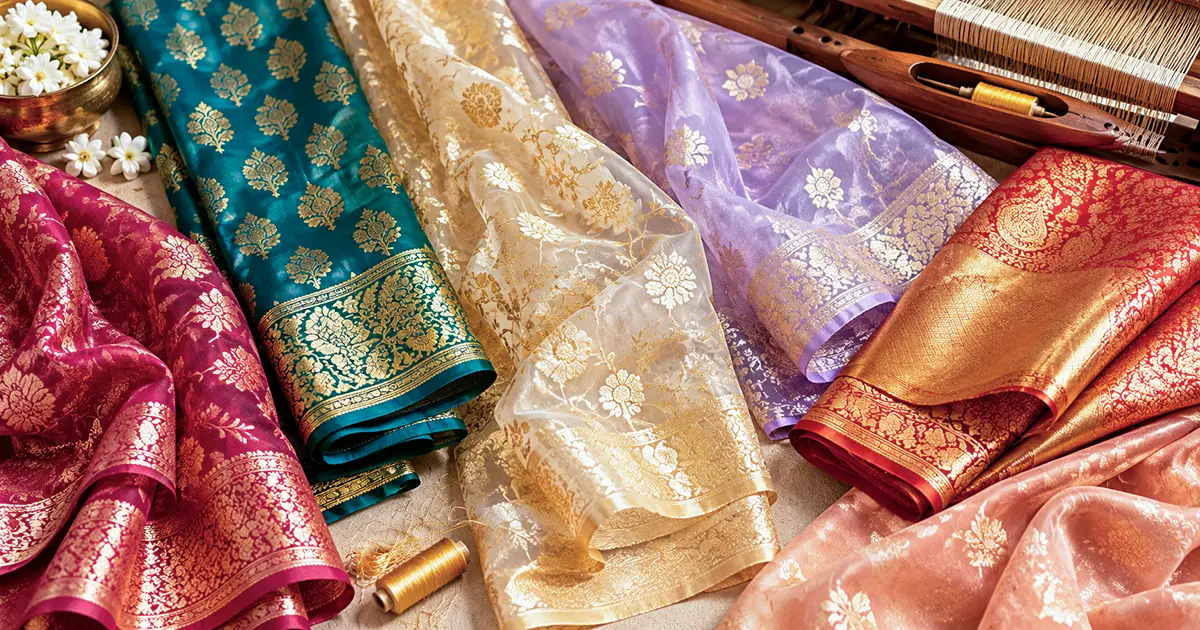
Popular Banarasi fabrics include:

  • Katan Silk
  • Organza Silk
  • Tissue Silk
  • Mashru Silk
  • Georgette Silk

Pure Banarasi sarees usually have a refined texture and a premium feel.

The fabric should feel balanced and well-finished rather than rough or inconsistent.

Understanding fabric categories helps boutiques explain products more confidently to customers.

Observe the Weaving Quality

Banarasi sarees are known for detailed weaving work.

Carefully examine:

  • Borders
  • Pallu design
  • Motif placement
  • Design consistency
  • Overall weaving finish

Good Banarasi weaving usually looks clean, balanced, and well-crafted.

Uneven weaving may indicate lower-quality production standards.

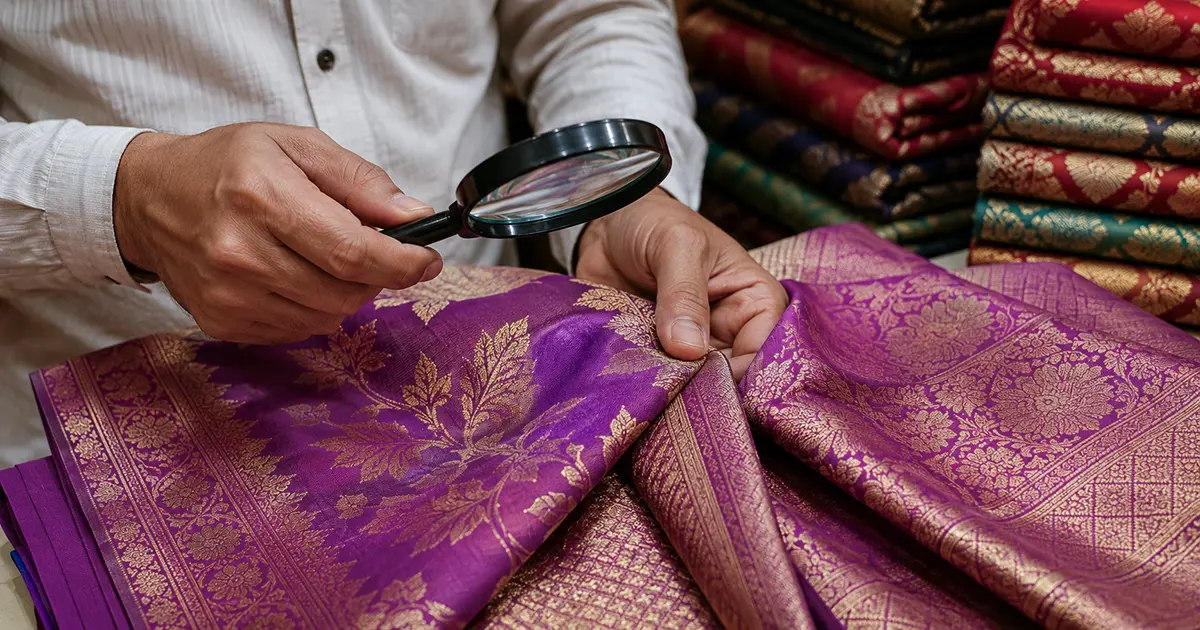
Pay Attention to the Zari Work

Zari is one of the most recognizable features of a Banarasi saree.

Well-executed zari work usually appears:

  • Rich in appearance
  • Evenly woven
  • Cleanly finished
  • Consistent across the design

The quality of zari work often reflects the overall craftsmanship of the saree.

This is why experienced buyers always inspect zari details carefully.

Check the Reverse Side of the Saree

Many experienced buyers look at the reverse side of the saree during inspection.

The reverse side can provide useful insights into:

  • Weaving discipline
  • Thread management
  • Design execution
  • Finishing quality

A well-crafted Banarasi saree often shows better overall workmanship throughout the fabric.

Learn Common Banarasi Design Styles

Traditional Banarasi sarees often feature distinctive design elements.

Popular styles include:

  • Jaal patterns
  • Butidar designs
  • Floral motifs
  • Paisley motifs
  • Traditional Mughal-inspired designs

Understanding these styles helps boutiques and resellers explain collections more effectively to customers.

Understand Different Customer Segments

Not every customer looks for the same type of Banarasi saree.

Some customers prefer:

  • Heavy wedding collections
  • Lightweight festive wear
  • Premium designer styles
  • Daily premium wear

Knowing the intended customer segment helps buyers select the right products and fabrics.

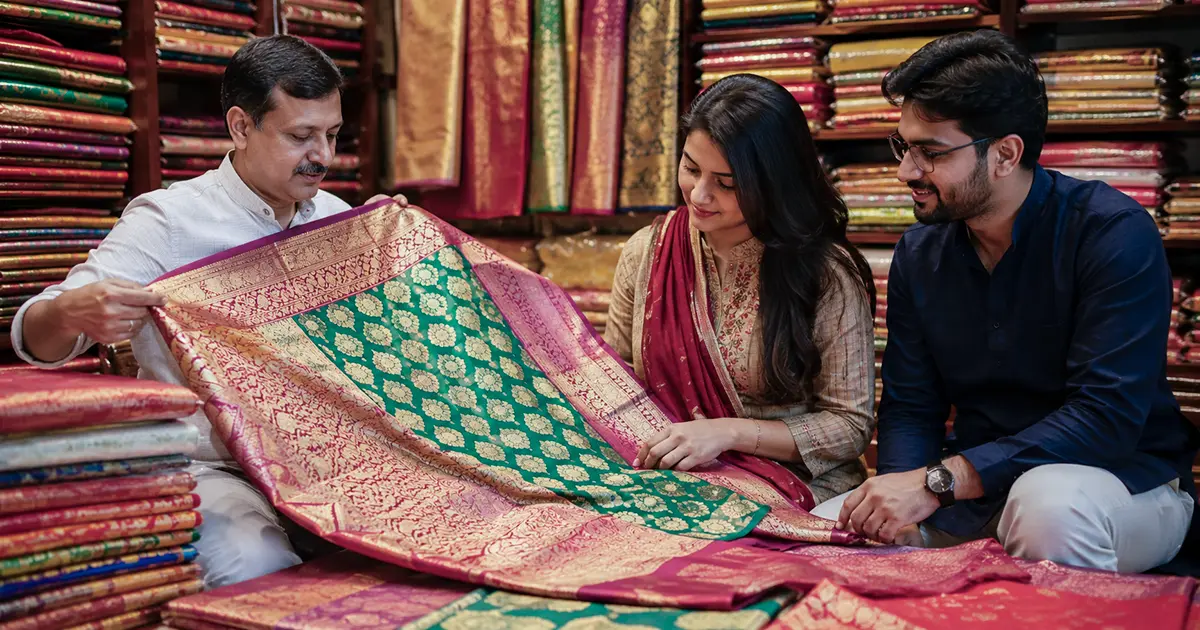
Work with Reliable Suppliers

Even the best product knowledge becomes less useful without reliable sourcing support.

A trusted supplier should provide:

  • Consistent quality
  • Clear product information
  • Updated collections
  • Professional communication
  • Long-term business support

Reliable sourcing relationships help reduce quality-related issues and improve customer satisfaction.

Why Product Knowledge Matters for Boutiques and Resellers

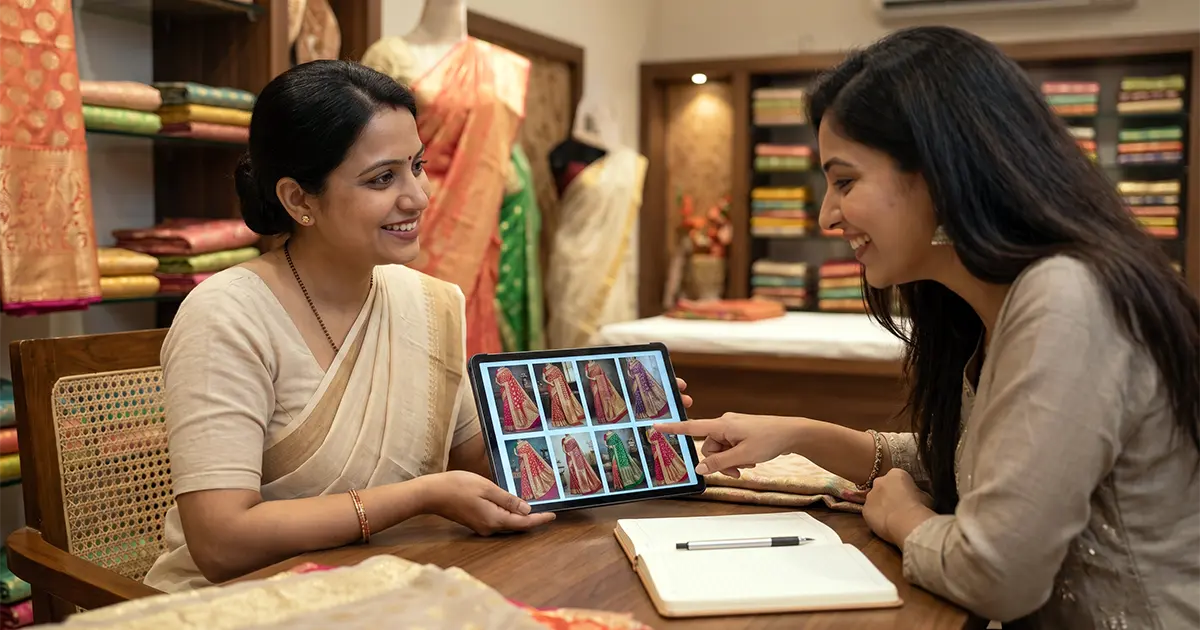
Today's customers often ask detailed questions before making a purchase.

They want to understand:

  • Fabric type
  • Weaving quality
  • Product uniqueness
  • Value for money

Boutiques and resellers who understand Banarasi sarees well can:

  • Build customer confidence
  • Improve product presentation
  • Position products more effectively
  • Increase repeat business

Knowledge helps create trust.

Why Banarasi Sarees Continue to Hold Premium Value

Banarasi sarees have remained relevant for generations because they combine tradition, craftsmanship, and elegance.

Their continued popularity comes from:

  • Rich weaving heritage
  • Premium appearance
  • Wedding demand
  • Festival demand
  • Long-lasting cultural value

For boutiques, wholesalers, and resellers, Banarasi sarees remain one of the strongest categories in the ethnic wear market.
Share this article:

Blog Category

  • Wholesale Guides
  • Reseller Business
  • Banarasi Insights
  • Business Growth
All Blogs

Recent Posts

Banarasi Saree Buying Guide for Kashi Visitors
Banarasi Saree Buying Guide for Kashi VisitorsJul 5, 2026
How to Sell Your Banarasi Sarees and Collections on Weave 365
How to Sell Your Banarasi Sarees and Collections on Weave 365May 31, 2026
How to Start Selling Banarasi Sarees and Suits with Weave 365
How to Start Selling Banarasi Sarees and Suits with Weave 365May 30, 2026
Top Banarasi Saree Fabrics Explained: Katan Silk, Organza, Tissue, Mashru and More
Top Banarasi Saree Fabrics Explained: Katan Silk, Organza, Tissue, Mashru and MoreMay 29, 2026

Popular Tags

B2B MarketplaceBanarasi SareeBanarasi SareesBanarasi SuitsKashi GuideKatan SilkOrganza SareeSaree ManufacturerSaree ResellerSilk Saree Buying TipsTissue SareeVaranasi TravelWeave 365WeaversWhite-Label Catalog

Navigate Posts

PreviousNext

Frequently Asked Questions

You can identify a quality Banarasi saree by examining the fabric, weaving quality, zari work, finishing, design consistency, and overall craftsmanship.

Popular Banarasi saree fabrics include Katan Silk, Organza Silk, Tissue Silk, Mashru Silk, and Georgette Silk.

Zari work is one of the defining features of Banarasi sarees. Good zari work reflects better craftsmanship and contributes to the saree's overall appearance and value.

The reverse side can provide insights into weaving quality, thread management, finishing standards, and overall workmanship.

Reliable suppliers help ensure consistent quality, accurate product information, updated collections, and smoother business operations for boutiques and resellers.

Continue Reading Banarasi Insights

Banarasi Saree Buying Guide for Kashi VisitorsBanarasi Insights
Jul 5, 20267 Minutes Read

Banarasi Saree Buying Guide for Kashi Visitors

A simple, honest guide for anyone visiting Kashi who wants to buy a genuine Banarasi saree, without getting confused by fake silk, inflated prices, or commission driven shops.

Read Guide
Top Banarasi Saree Fabrics Explained: Katan Silk, Organza, Tissue, Mashru and MoreBanarasi Insights
May 29, 20265-6 Minutes Read

Top Banarasi Saree Fabrics Explained: Katan Silk, Organza, Tissue, Mashru and More

Explore the most popular Banarasi saree fabrics including Katan Silk, Organza, Tissue, Mashru, and Georgette. A practical guide for wholesalers, boutiques, resellers, and Banarasi saree buyers.

Read Guide
How to Sell Your Banarasi Sarees and Collections on Weave 365Business Growth
May 31, 20266-7 Minutes Read

How to Sell Your Banarasi Sarees and Collections on Weave 365

Learn how weavers, manufacturers, and brands can showcase and sell Banarasi sarees and collections on Weave 365 to reach wholesalers, boutiques, resellers, online sellers, and exporters.

Read Guide
How to Start Selling Banarasi Sarees and Suits with Weave 365Reseller Business
May 30, 20264-5 Minutes Read

How to Start Selling Banarasi Sarees and Suits with Weave 365

Learn how resellers and retailers can start selling Banarasi sarees and suits with Weave 365 using white-label catalogs, B2B wholesale pricing, and simple customer sharing methods.

Read Guide